
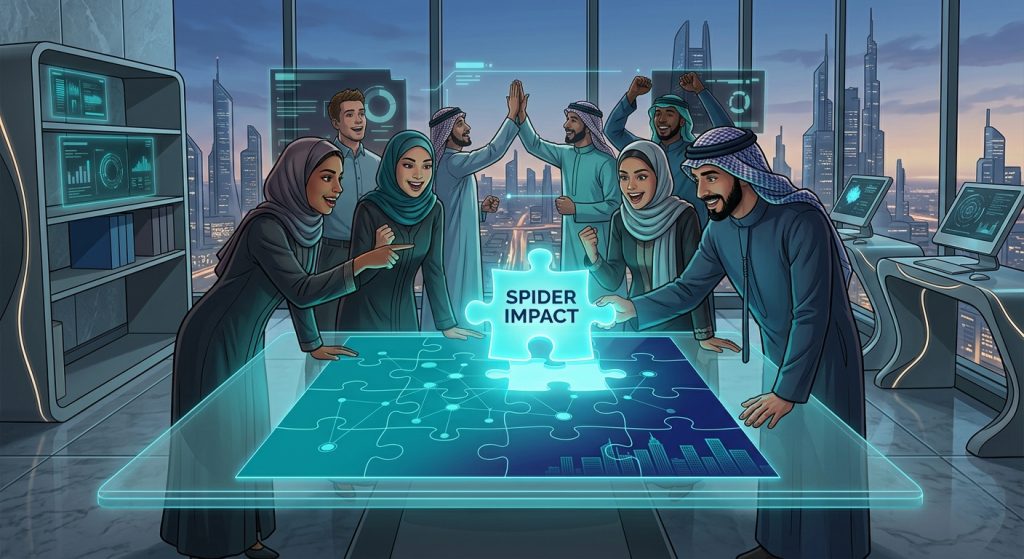
Why the Best Strategy Execution Software Works With You, Not Against You
Your organization has a strategy. You spent real time developing it—executive offsites, alignment sessions, carefully worded goals. And then Monday morning arrived.
Somewhere between the boardroom and the day-to-day, execution broke down. The strategy everyone agreed on stopped being the thing people actually worked toward. Departments drifted back to their own priorities. Reporting cycles became a scramble. Leadership meetings turned into status updates instead of decision-making sessions.
If this sounds familiar, you’re not alone—and the problem isn’t your strategy. It’s the absence of a system that keeps everyone aligned, accountable, and informed as work actually unfolds.
The right strategy execution software shouldn’t ask your organization to rebuild from scratch. It should amplify what you’re already doing, support the frameworks you’ve already adopted, and make your strategy visible to every person who needs to act on it. Here’s what that looks like in practice.
The Strategy-Execution Gap Is Real—and Costly
Let’s start with the stakes. Strategy failure isn’t a rare edge case. According to Harvard Business Review, 67% of well-formulated strategies fail due to poor execution—that’s not an outlier, it’s the norm.
The root cause often starts at the top. A 10-year longitudinal study on executive leadership found that 61% of executives said they were not prepared for the strategic challenges they faced when appointed to senior leadership roles—contributing to a 50–60% failure rate within the first 18 months of a new role.
These aren’t failures of intelligence or ambition. They’re failures of system. When there’s no centralized, reliable way to communicate priorities, track progress, and surface problems early, even the best strategies quietly dissolve into business as usual.
The gap between strategy and execution isn’t inevitable—it’s solvable. And the solution doesn’t require starting over. It requires tools that work alongside the processes and frameworks you’ve already put in place.
Most Organizations Already Have a Framework—They Just Need Software That Supports It
Your organization probably isn’t starting from zero. You’ve likely adopted a framework—whether that’s a Balanced Scorecard, OKRs, or another structured approach to performance management. You have reporting rhythms, accountability structures, and a shared understanding of what success looks like.
The Balanced Scorecard has been adopted across industries—from defense agencies to community health systems to universities—as a proven way to translate high-level strategy into measurable action. It structures strategy around perspectives, objectives, and measures, giving organizations a common language for performance.
But a framework alone isn’t enough. Without software to make it visible, keep it current, and connect it to daily work, even the most well-designed scorecard ends up as a document in a shared drive that gets revisited once a year.
Organizations in regulated industries—government, healthcare, finance, higher education—face an additional layer of complexity. They have existing governance structures, compliance requirements, and reporting obligations that any new system needs to accommodate. Good strategy execution software maps onto those structures rather than fighting them.
Spider Impact is the only strategy execution software endorsed by the Balanced Scorecard Institute, and it’s built to support a wide range of strategic methodologies. That means it meets your organization where it already is—reinforcing the framework you’ve invested in, not replacing it.
When Strategy and Execution Fall Out of Sync, the Symptoms Are Familiar
You might already be seeing the warning signs. Misalignment between strategy and execution is especially common at inflection points—when organizations pivot, scale, or restructure. The symptoms tend to be recognizable: rising attrition, declining performance, and teams pulling in different directions despite nominally agreeing on the same goals.
What makes this particularly tricky is that the misalignment often isn’t obvious. Research on organizational change shows that 50–70% of change efforts fail to deliver intended results—often because apparent agreement on direction masks real disagreement about priorities and methods. Leaders think they’re aligned. Teams think they’re working toward the same goals. But underneath the surface, different departments are making different tradeoffs.
Data compounds the problem. Cross-industry research shows that on average, less than half of an organization’s structured data is actively used in decision-making, and more than 80% of analysts’ time is spent just finding and preparing data—leaving almost no room for the strategic thinking that should be driving decisions.
When you can’t trust your data, and when different parts of the organization are operating on different versions of the truth, alignment becomes nearly impossible. The solution isn’t more meetings or more strategy documents—it’s a centralized system that gives everyone access to the same clear, current information.
Manual Processes Are Quietly Killing Your Strategic Momentum
Even organizations with strong strategies and solid frameworks often undercut themselves with the tools they use to manage reporting. Spreadsheets, disconnected systems, and manually assembled slide decks aren’t just inefficient—they’re a strategy execution tax your organization pays every single reporting cycle.
Organizations relying on manual data collection face time-consuming tasks—data entry, cleaning, and reconciliation—that delay reporting and erode confidence in the accuracy of the information presented to leadership. When leadership can’t trust the numbers, they can’t make confident decisions. And when the team that assembled the numbers spent three days doing it, they’re too exhausted to analyze what those numbers actually mean.
Across financial planning, risk management, and enterprise operations, Forrester’s Total Economic Impact studies consistently show that fragmented, manual processes become unsustainable as organizations grow—limiting scale, accuracy, and agility. Planning and reporting teams that replace manual workflows with integrated platforms recapture substantial time, enabling analysts to shift from data wrangling to scenario analysis and decision support.
Spider Impact eliminates this burden directly. Automated data imports pull from your existing systems of record—databases, ERP systems, CRM platforms, web applications—on a scheduled basis. Dynamic dashboards always reflect the latest data. Automated presentation tools build slide decks that update themselves, so leadership meetings can focus on decisions rather than status recaps. The hours your team used to spend assembling reports get redirected toward the work that actually moves strategy forward.
The Right Software Doesn’t Disrupt Your Organization—It Aligns It
One of the most common concerns we hear from organizations considering new software is straightforward: we don’t have time for this right now. Implementation feels like a distraction from the work that already needs to get done.
It’s a fair concern—and it’s exactly why choosing the right software matters so much. Research on software implementation ROI consistently shows that prioritizing solutions that align with your existing business needs—rather than the trendiest or most feature-packed option—is a key driver of successful adoption. The goal isn’t the longest feature list. It’s finding software that fits how your organization actually works.
A phased rollout, hands-on training, and dedicated customer support reduce friction and help teams see value quickly—building internal buy-in rather than resistance. When people see the platform working for them instead of adding to their workload, adoption follows naturally.
Spider Impact is built around this principle. Before you even sign, our team spends a minimum of 16 hours building a tailored prototype of your strategy in the platform—so you can see exactly how it fits your organization before making a commitment. Once you’re on board, you get complimentary remote training, a dedicated Customer Success Representative who partners with you from day one, quarterly check-ins to address evolving needs, and twice-yearly ROI reviews to ensure the platform keeps delivering value.
Done right, implementation isn’t an obstacle to your strategy. It’s the moment your strategy becomes real.
Data Governance Isn’t a Nice-to-Have—It’s a Strategic Requirement
For organizations in regulated industries, data governance isn’t a checkbox—it’s foundational to everything else. Poor data governance isn’t just a compliance risk; it’s a strategic one. When the wrong people see the wrong data—or the right people can’t access what they need—decision-making suffers at every level.
The access problem is more widespread than most organizations realize. More than 70% of employees have access to data they should not, while 80% of analysts’ time goes toward just finding and preparing data—a combination that creates both security risk and operational inefficiency simultaneously.
For organizations in defense, government, healthcare, finance, and higher education, these aren’t abstract concerns. They’re active governance challenges with real compliance implications. The software you use to manage strategy needs to be as rigorous about data access as it is about performance tracking.
Spider Impact addresses this directly with fine-grained permissions configurable down to individual data rows, workflow approvals that control who can submit and validate data each reporting cycle, audit trails that document every key change to performance data and thresholds, and role-based access that ensures every user sees exactly what they need—and nothing they shouldn’t.
For organizations that require on-premises hosting—whether for security, compliance, or data sovereignty reasons—Spider Impact offers both SaaS and customer-hosted deployment options. That flexibility matters in environments where data sensitivity is non-negotiable, and it’s a distinction that sets Spider Impact apart from many alternatives that offer only cloud-based deployment.
What Fitting Your Strategy Process Actually Looks Like in Practice
It’s one thing to say that software should fit your process. It’s another to show what that means day to day. Here’s how Spider Impact maps to the real workflow of a strategy-driven organization, from planning through execution and review.
Strategy Maps and Cascading Scorecards
Strategy isn’t experienced the same way at every level of an organization. A board member and a department manager need different views of the same strategic reality. Spider Impact supports hierarchical strategy structures that start at the executive level and cascade down through departments, teams, and individuals—so everyone sees the strategy in the context of their own role and responsibilities.
Perspectives, objectives, and measures connect in a way that mirrors how your organization actually reports. Custom dashboards, strategy maps, and interactive visualizations make the strategic plan navigable for everyone—not just the people who built it.
Automated Presentations That Always Reflect Current Data
Every recurring meeting carries a preparation cost. Someone has to pull numbers, build slides, and chase down the latest figures from half a dozen sources. By the time the presentation is ready, some of the data is already out of date.
Spider Impact’s automated presentation tools eliminate this entirely. Slides are built once and connected directly to your centralized performance data. Every time a meeting runs, the slides reflect the current numbers—no manual updates, no last-minute scrambles. Leadership can spend the meeting making decisions instead of confirming status.
Initiative Tracking With Predictive Analytics
Most organizations can tell you whether a project is on schedule—or at least whether it was last time someone checked. Spider Impact goes further. Using Earned Value Management (EVM), Spider Impact predicts whether an initiative will finish on time and within budget based on actual progress data, not optimistic estimates.
Beyond schedule and budget, Spider Impact uses statistical correlation to analyze whether your initiatives are actually moving the KPIs they’re meant to improve. If a project is consuming resources without affecting the metrics that matter, you need to know that while there’s still time to redirect those resources. This capability is genuinely rare in the strategy execution software market—and it’s the kind of insight that makes the difference between managing a project portfolio and actually executing a strategy.
No-Code Apps for Custom Workflows
Every organization has data it needs that isn’t already being collected anywhere. Spider Impact’s no-code Apps platform lets teams build custom data collection tools, workflows, and dashboards directly within the platform—without writing a single line of code and without waiting on IT.
The platform adapts to your process rather than the other way around. Whether you need a custom risk tracking tool, a project intake form, or a department-specific dashboard, you can build it in Spider Impact and connect it directly to your strategy and performance data.
AI and Automated Insights
Reviewing performance data manually is time-consuming and prone to missing the patterns that matter most. Spider Impact’s AI and Automated Insights surface trends, flag anomalies, and highlight what’s driving results—automatically.
Instead of asking your team to sift through dashboards looking for signals, the platform tells them what to pay attention to. That shifts the work from finding problems to solving them—a meaningful change in how your organization invests its strategic attention.
The Bottom Line
Most organizations don’t fail because their strategy is wrong. They fail because execution breaks down—because the strategy isn’t visible enough, the data isn’t trustworthy enough, and the tools in use add friction instead of removing it.
The right balanced scorecard software and strategy execution software doesn’t ask you to change how you work. It makes the way you already work more visible, more aligned, and more effective. It connects your strategic plan to the people responsible for executing it, gives them the data they need to make good decisions, and frees up the time that currently goes toward manual reporting and slide preparation.
Spider Impact is built to do exactly that—for organizations of all sizes, across industries, using the frameworks and governance structures they’ve already put in place.
See How Spider Impact Fits Your Strategy — With Crystal Consulting Group
Not sure where your strategy execution stands today? Talk to Crystal Consulting Group about a Strategic Health Check — a quick assessment that identifies your strongest areas and biggest opportunities for improvement across organizational visibility, initiative alignment, KPI monitoring, data governance, and more.
Or if you’re ready to see Spider Impact in action, book a consultation with Crystal Consulting Group and our team will show you exactly how it fits your organization’s existing framework, data environment, and strategic goals.